
Sacred Words
Pick them wisely

Old prayers, like quality code, always compile nicely. Have you noticed? You repeat an ancient prayer, and it works. “Rise up, O Lord! Let Your enemies be scattered, and let those who hate You flee before You.” And the demons are gone.
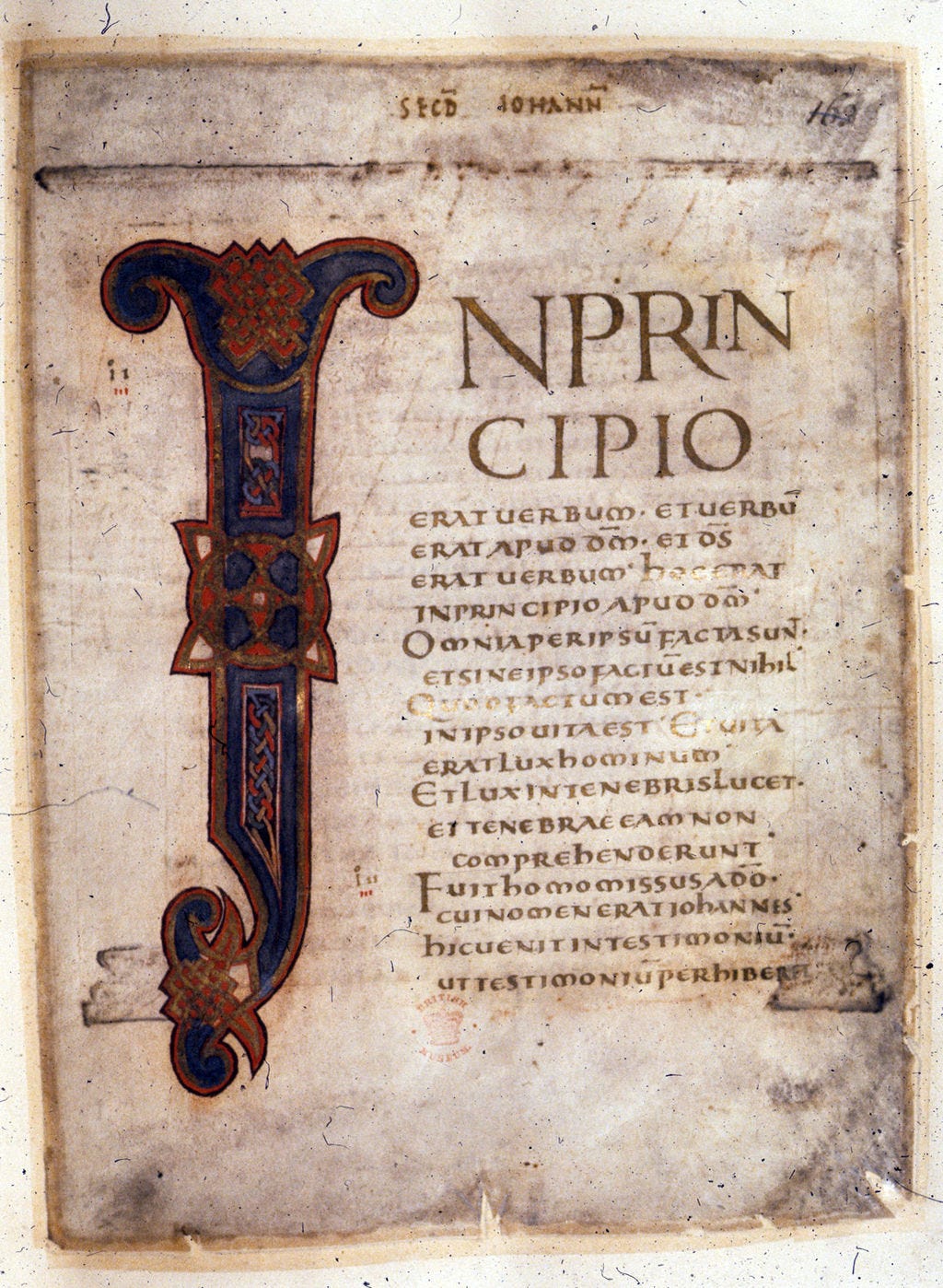
God creates the world by proclaiming it: “And God said, Let there be light: and there was light.” Here’s a mystical wordplay, since the Son of God is called the Word. And, as the Gospel of John says, “All things were made by him; and without him was not any thing made that was made.” This double meaning is one of the most profound secrets, “hidden since the foundation of the world.”
You can choose words freely, and there are a multitude of ways to express the same idea in different ways. We know from childhood that in fairy tales there are spells where sometimes you only need to know the exact wording to make the spell work. I’m sure that’s a mythological reflection of prayer. In Church tradition, it is advisable to reuse known prayers, like morning and evening canons and rules (the Psalms are the great example, of course). They are like songs unique in their DNA, and there’s no shame in repeating them. Did you notice, by the way, that in modern Protestant practice, reading “spontaneous” prayers aloud in public often brings a certain ugliness to their expression?
I’ve always been fascinated by the effect that original old texts produce. Not everything, of course, but let’s take the Bible. Like an example of any serious craft or art, it reveals certain techniques that can be imitated, and imitation is a way to achieve mastery in any field, at least until you find your own style.
The use of adjectives and adverbs is very limited in the Bible. Sometimes you may have a whole chapter or passage that flows smoothly with very few such words.
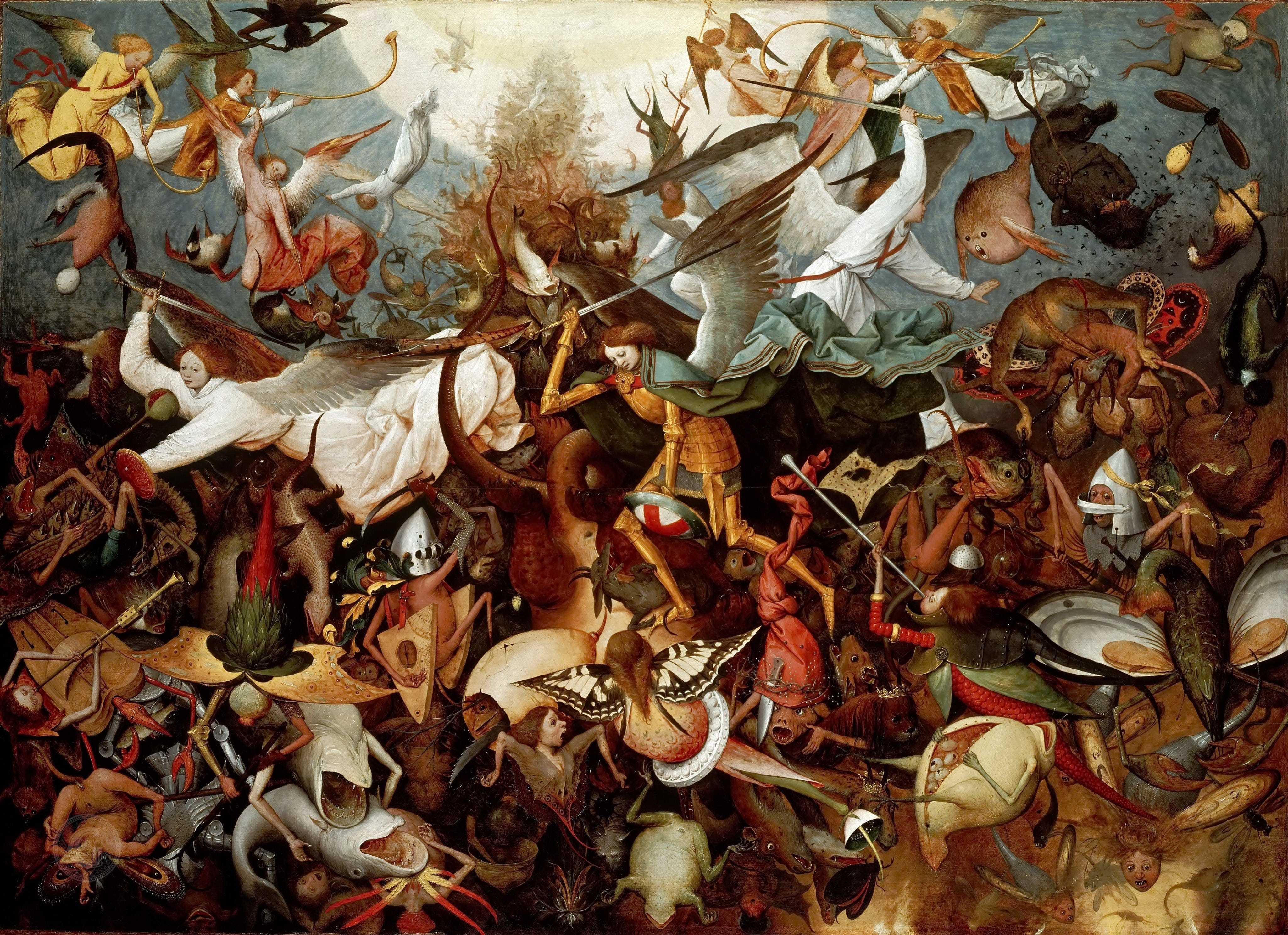
Then war broke out in heaven. Michael and his angels fought against the dragon, and the dragon and his angels fought back. But he was not strong enough, and they lost their place in heaven.
Revelation 12:7-8
Like William Zinsser mentioned in his book On Writing Well, “most adverbs are unnecessary,” and “most adjectives are also unnecessary.” But it seems that, apart from being redundant, their absence also helps create a certain elusive style that marks great works of fiction and non-fiction alike.
The Latin language — “the florid language of ancient Rome” — however, played a trick. On one hand, it is an old language of wisdom and science; on the other hand, it triggered (in English, at least) a whole realm of long, multi-syllable terms like implementation, maximization, communication, development, fulfillment, and so on. These words are largely used in modern corporate communication, which produces the most bureaucratic, rigid, and sneaky-in-meaning opuses that spread like a plague. The solution to this is less “noble” and less “academic” Anglo-Saxon roots.
Like William Zinsser puts it: “The words derived from Latin are the enemy—they will strangle and suffocate everything you write. The Anglo-Saxon words will set you free. […] Here’s a typical sentence: ‘Prior to the implementation of the financial enhancement.’” That means: “Before we fixed our money problems.”
Remembering that words can bring so much power is key, whether you are preparing to give a speech at an event, making a presentation, or just typing a message in WhatsApp. And yet, proclaiming the right words is even more important.